International · 10 min read
Best Nude Beaches in the Caribbean
A field-checked overview of the Caribbean's most established clothing-optional beaches and resorts, from Jamaica's resort tradition to St. Martin's public beach.
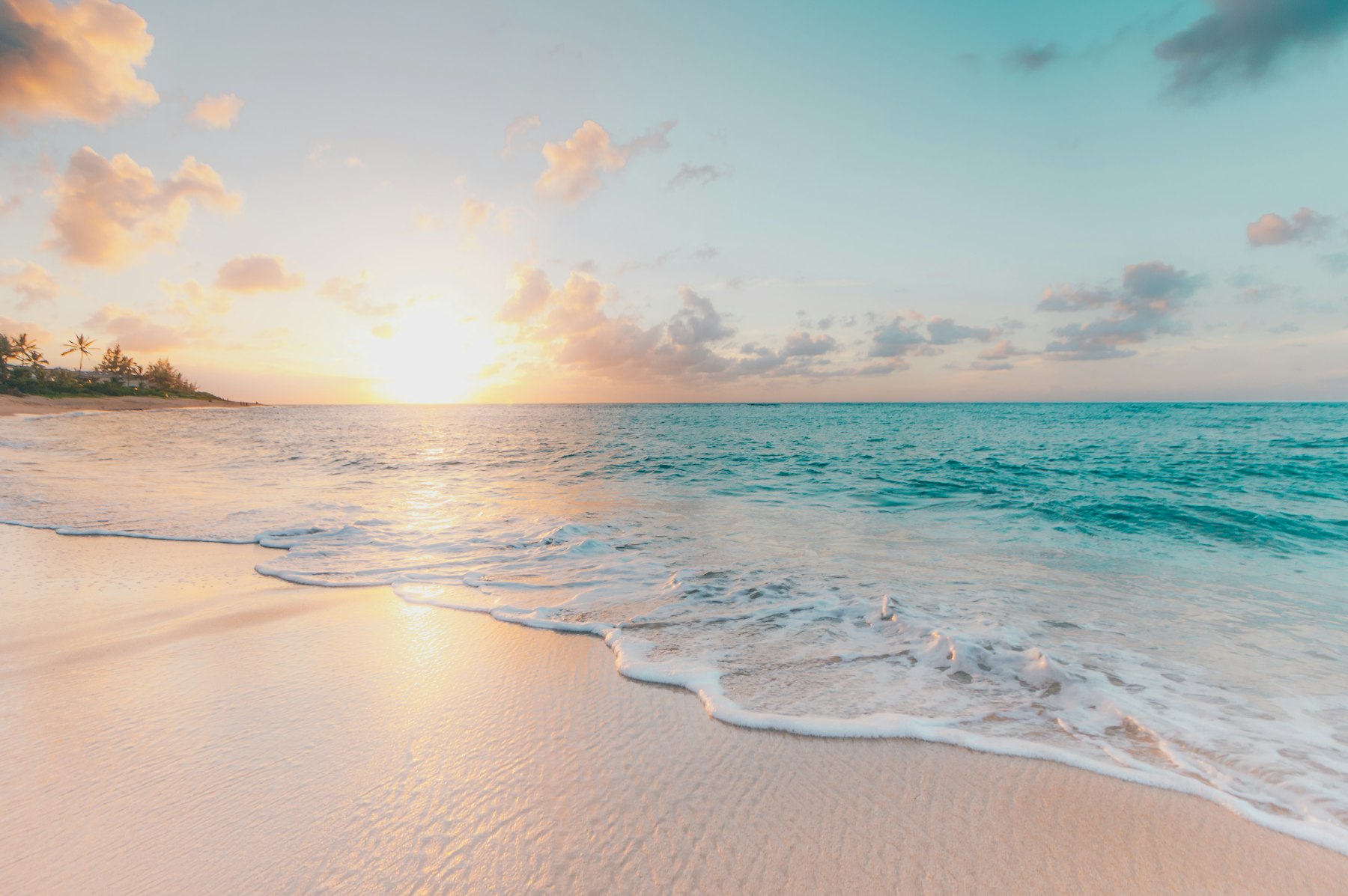
The Caribbean has a clothing-optional tradition that runs on two parallel tracks. One is the resort-based naturism of properties like Hedonism in Jamaica and the historic French-side beaches of St. Martin. The other is a small number of established public beaches scattered across the islands, mostly on French or Dutch-administered territories where European naturist culture has carried over. Together they make the Caribbean a real destination for clothing-optional travelers — different from the US beach experience and different from European naturism, but with its own well-established options. This guide covers the best of both.
Editor’s note: Our directory currently focuses on North American locations and one Spanish entry. We don’t yet have Caribbean properties cataloged with the same depth as our US, Canadian, and Mexican entries. The information below is compiled from public sources, established naturist publications, and traveler reports — not from our own field verification. If you’ve visited any of these places and want to share a verified review, get in touch. International expansion is in progress.
What Caribbean Naturism Looks Like
The Caribbean’s clothing-optional scene is mostly resort-based. Unlike the United States, which has more public clothing-optional beaches than resorts, the Caribbean inverts that ratio. Resorts catering specifically to naturists and clothing-optional travelers have been part of the regional tourism infrastructure since the 1970s, with some properties operating continuously for decades.
The reasons are partly geographic — many Caribbean countries are small enough that “public clothing-optional beach” isn’t a stable category, with limited public coastline and tourism-driven enforcement. They’re partly cultural — French and Dutch territories carry the European naturism tradition, while predominantly Protestant or Catholic English-speaking islands have less established public C/O tradition.
A few patterns hold:
The resort-based scene is concentrated on Jamaica, with a handful of clothing-optional and “lifestyle” properties operating year-round. The public-beach scene is concentrated on St. Martin and Guadeloupe, with smaller traditions on Saba and Bonaire. Cuba has had clothing-optional resort and beach traditions that wax and wane with regulatory cycles.
For first-time Caribbean naturist travelers, the resort path is typically simpler and more predictable than chasing public beaches across multiple islands.
Orient Bay (Orient Beach), St. Martin
Orient Bay on the French side of St. Martin is the Caribbean’s most famous clothing-optional beach. The southern end of the beach — historically the area between Club Orient and the beach club zone — has been clothing-optional by long tradition. The northern end of the same beach is a textile-only zone with full beach-club infrastructure.
The 2017 Hurricane Irma destroyed much of Orient Bay’s beach club infrastructure, including the Club Orient resort itself. Reconstruction has been gradual. The clothing-optional culture of the southern beach has persisted through the rebuild, but the formal beach-club anchor of the C/O scene was lost. Current visitors report a smaller but still active naturist presence, with the cultural tradition intact even as the commercial infrastructure rebuilds.
For travelers planning a visit, the practical approach is to base yourself at a hotel on French St. Martin within reach of Orient Bay, day-trip to the beach, and verify current conditions through recent traveler reports before committing to specific resorts that previously anchored the C/O zone.
Hedonism II (Negril, Jamaica)
Hedonism II in Negril is the long-running Jamaica-based clothing-optional resort. The property operates as an adults-only all-inclusive with two pools, beachfront, multiple restaurants and bars, and organized activities ranging from water sports to nightlife events.
Hedonism has a specific cultural identity — more party-oriented than philosophical, more adult-entertainment than family naturism, and more lifestyle-friendly than the traditional AANR-style nudism. This isn’t a property model for everyone. Travelers who want a relaxed naturist resort experience often find Hedonism’s atmosphere too intense; travelers who want the energetic adult-resort experience usually rate it highly.
Verify the property’s current operational status, ownership, and policy details before booking. Caribbean all-inclusive properties have had ownership and management changes over the years.
Cuba: Cayo Coco, Cayo Largo
Cuba’s clothing-optional beach tradition operates on a few key beaches, with the most famous being parts of Cayo Coco and Cayo Largo. The Cayo Coco beaches in particular have had unofficial naturist sections for decades, with resort-based access through Cuban tourism infrastructure.
The political situation with Cuba has affected access for American travelers in particular, and travel regulations shift with US administrations. The Cuban tourism sector operates differently from elsewhere in the Caribbean, with more state involvement. Travelers should verify current US travel rules and on-the-ground conditions before planning a Cuba-based naturist trip.
When accessible, the beaches themselves are among the most beautiful in the Caribbean — long stretches of white sand, calm Atlantic surf, and minimal development.
Guadeloupe: Pointe Tarare, Anse à la Gourde
Guadeloupe, as a French overseas territory, carries the French naturism tradition. The most established clothing-optional beach is Pointe Tarare on the eastern point of Grande-Terre, with an established naturist tradition and informal C/O culture. Anse à la Gourde nearby is also tolerated.
The beach experience in French Caribbean territories generally feels closer to a French Mediterranean beach than to an American beach culture. Naturism is unremarkable. The crowds are smaller than Orient Bay’s were in its peak years, and the atmosphere is quieter.
Access requires a Caribbean French-territory understanding — French is the language of administration, the EU-French currency arrangements apply, and the resort and tourism infrastructure is calibrated for European naturist travelers. American travelers should expect a slightly different experience than they’d have in American or Anglophone Caribbean destinations.
Bonaire and Curaçao: Limited but Established
Bonaire has a small but established clothing-optional beach tradition, primarily at Sorobon Beach. The beach is small, the community is local-Bonairean and European expat, and the atmosphere is quiet. Bonaire’s primary tourism draw is diving, so naturist visitors often combine beach time with diving trips.
Curaçao has less established C/O tradition but does have informal naturist beaches that come and go. The island’s tourism focus is more party-oriented than naturism, but for specific traveler preferences, options exist.
Smaller and Less Documented Options
A few additional locations show up in public sources but haven’t been verified against current conditions:
- Saba: a small Dutch Caribbean island with informal naturist tolerance at certain beaches.
- Saint Barth: French territory with European naturism influence; specific beaches change over time.
- Anguilla: limited but established small beaches.
- Antigua: small naturist tolerance at specific beaches, with some resorts catering to the lifestyle community.
For these locations, current traveler reports from recent visitors are more reliable than older guides.
What to Know Before a Caribbean Trip
A few practical considerations apply across the region.
Currents and water conditions vary widely. Caribbean beaches range from gentle calm-water bays to open Atlantic surf. Verify swimming conditions for any specific beach. Some of the most beautiful naturist beaches (Atlantic-facing) have real surf and rip currents.
Hurricane season runs June through November. Travel insurance for trips during this window is worth considering. Many resorts close or operate at reduced scale during the peak hurricane months.
Sun is more intense than in the continental US. Latitudes are lower, the sun is direct, and reef-safe sunscreen is increasingly required in some islands (especially Mexico, Bonaire, Florida Keys). Plan for serious sun protection.
Cultural respect matters. Even on French and Dutch islands where naturism is established, the surrounding local culture isn’t necessarily welcoming to public nudity outside designated beaches. Behavior off the beach should match local norms.
Some islands have visa or entry complications. Cuba has US travel restrictions. Some smaller islands require advance arrangements for certain nationalities. Verify entry requirements months in advance for any non-US territory.
Resort packages dominate. Most Caribbean naturist trips are booked as resort packages rather than DIY itineraries. The lack of public infrastructure outside French territories makes resort-based travel more practical.
How This Compares to US Naturism
The Caribbean experience differs from US naturism in several ways.
Resort-heavy, beach-light. The US has more public clothing-optional beaches than resorts; the Caribbean is the opposite. Travelers used to day-trip beach naturism need to recalibrate for the Caribbean’s resort-based model.
Less philosophical, more recreational. Caribbean clothing-optional culture leans more toward recreation and relaxation than the philosophical naturism of some California or European traditions. The atmosphere is closer to “vacation” than “lifestyle.”
Adults-skewing. Many Caribbean clothing-optional properties are adults-only or adults-heavy. Family naturism is less established than in the US’s Florida or European traditions.
Cost structure favors all-inclusive. Resort-based Caribbean travel often costs more per night than US clothing-optional resorts but bundles more services. Day-trip beach naturism in St. Martin, Guadeloupe, or other public-beach destinations is the cheaper alternative.
For US travelers exploring international naturism, the Caribbean is one option. Spain (see our Playa Guadalmar entry) offers another. Mexico’s Zipolite area is a third. Each has a distinct character.
FAQ
What’s the most beginner-friendly Caribbean naturist destination? For first-timers, a hotel on French St. Martin within reach of Orient Bay (now somewhat smaller post-Irma) provides the easiest combination of accessibility, established naturist culture, and a non-resort-package option. For an all-inclusive resort experience, Hedonism II in Negril (Jamaica) is the best-known option, though its specific cultural identity isn’t for everyone.
Are these beaches family-friendly? Generally less than US family-friendly resorts. The Caribbean clothing-optional scene skews adult, with most resorts being explicitly adults-only. Public beaches like Orient Bay or Pointe Tarare may have families, but the cultural expectation differs from the US family naturist tradition.
How does Cuba currently compare? Cuba’s beach scene is potentially world-class, but the political and travel-restriction situation makes practical access complicated, especially for American travelers. Verify current US Treasury OFAC rules and Cuban tourism policy before planning a trip.
Are LGBT travelers welcome at Caribbean naturist destinations? This varies significantly. Some Caribbean countries have legal frameworks unfriendly to LGBT travelers, others are explicitly welcoming. French and Dutch territories tend to be more welcoming. Jamaica has had cultural and legal tensions historically, though the resort industry is generally welcoming. Research the specific destination’s current climate.
What’s the best season for Caribbean naturism? December through April is the peak season — coolest, driest, and outside the hurricane window. May and November are shoulder seasons. June through October is hurricane season with hot, humid weather and reduced resort operations on some islands.
Are nudism laws different in French vs Dutch vs English-speaking islands? Significantly. French and Dutch territories have permissive frameworks (French naturism is legally protected; Dutch frameworks are tolerant). English-speaking islands range from permissive (parts of Jamaica via resort) to restrictive (most public beaches). Verify the specific island’s framework.
Related Guides
- Best Nude Beaches in the United States — the US beaches for travelers comparing options.
- First Time at a Clothing-Optional Resort: What to Expect — the resort experience generally; applies to Caribbean trips.
- How to Choose Your First Clothing-Optional Resort — the decision framework for picking properties.
Featured Locations
Our directory has limited Caribbean coverage at this time. International expansion is in progress. The most relevant existing entries:
- Playa Guadalmar (Spain) — a European public beach for travelers comparing trans-Atlantic options.
- Nude Zipolite (Mexico) — Mexico’s most famous clothing-optional beach town, with Caribbean-adjacent culture.
- Hotel Zipoliteville (Mexico) — small accommodation at Zipolite.
- Hotel Nude (Mexico) — Zipolite-area lodging.
If you’ve visited a Caribbean naturist destination recently and want to contribute a verified review, get in touch with the editorial team. Field-verified Caribbean entries are a priority for upcoming directory expansion.