Destination · 9 min read
Black's Beach: The Complete Visitor Guide
San Diego's clothing-optional beach requires a cliff descent from the Torrey Pines Gliderport, offers two miles of sand with paragliders overhead and no facilities below. Here's how to get down safely and what to know before you go.
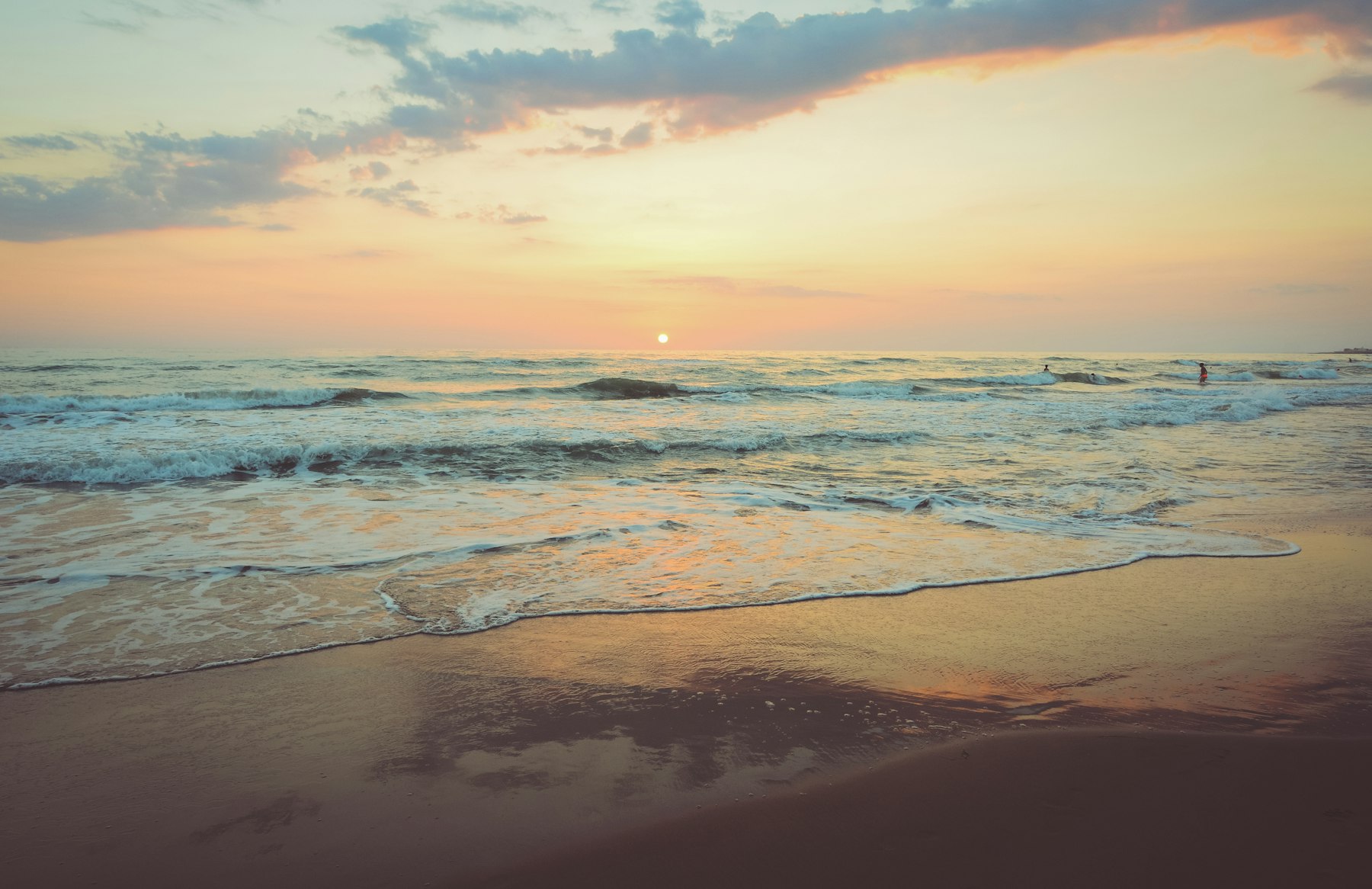
Black’s Beach is the stretch of sand at the base of the Torrey Pines cliffs in La Jolla, San Diego — two miles of beach backed by eroding sandstone bluffs, accessible only by trail from above, and one of the most well-known clothing-optional beaches in the United States. The paragliders from the Torrey Pines Gliderport drift over constantly when conditions are right. There are no facilities at the beach. The climb back up the cliff is real. And if you drive to the wrong trailhead, you’ll end up on the textile section and wonder why you bothered.
This guide covers access, the beach layout, what the crowd is like, and the things worth knowing before you make the trip.
The Access Question
Getting to the clothing-optional section of Black’s Beach requires navigating to the correct starting point. There are two access points to the greater Black’s Beach area and they lead to completely different stretches:
The Torrey Pines Gliderport — 2800 Torrey Pines Scenic Drive, La Jolla. This is the correct starting point for the clothing-optional section. Walk through the Gliderport parking lot, past the shop, and take the trail at the back edge of the cliff. The CliffHanger Cafe is right there if you want lunch before heading down.
The Saigon Trail (via Torrey Pines State Beach) — This leads to South Black’s Beach, which is clothing-enforced. Rangers patrol it. People are cited on it. Do not use this access if you’re heading to the nude section.
The confusion happens often. Google Maps and other navigation apps sometimes route visitors to the state beach parking rather than the Gliderport. Specifically navigate to “Torrey Pines Gliderport” and you’ll be at the right starting point.
The Trail Down
The Gliderport trail is a moderate descent with sporadic wooden steps and sandy switchbacks. It’s not technical, but it’s not a paved walkway either. Expect:
- 15-20 minutes down under normal conditions
- 20-30 minutes back up depending on your fitness and the heat
- Sandy, uneven footing — sandals work fine going down but make the climb back up harder
- No handrails on most sections
Carry only what you need. Heavy coolers are a real commitment on this trail. Most regulars bring a bag with a towel, sunscreen, water, and snacks.
The cliff above is active erosion terrain. After winter rains, the trail condition can change significantly. Do not sit, stand, or lay directly under the bluff face — rocks and debris fall.
The Beach Layout
The clothing-optional section of Black’s Beach runs roughly two miles along the base of the Torrey Pines cliffs. The heart of the nude crowd settles in the middle section, away from both the northern and southern ends. As you descend the Gliderport trail and reach the sand, head in either direction — most people go left (north) or right (south) depending on where they find space.
Key orientation points:
The Gliderport trail landing puts you roughly in the center of the clothing-optional stretch. The convention here is clear: virtually everyone in the core section is nude.
The southern end transitions into the textile zone roughly where the rock outcrops and bluff character changes. There’s no signage; the transition happens by convention.
The northern end extends toward the Salk Institute bluffs. Fewer people, quieter, more privacy — but a longer walk from the trail.
The water: Black’s Beach faces west-southwest into the Pacific. The surf can be significant. Rip currents form here and people do drown — the beach has no permanent lifeguard station, and response time is longer than on a staffed beach. Assess conditions before swimming. If you’re not experienced with Pacific surf and rip current identification, stay close to shore.
What’s Overhead
The Torrey Pines Gliderport directly above is one of the oldest and most active hang gliding and paragliding sites in the country. When coastal conditions are right — which in La Jolla is often — a continuous stream of gliders launches from the cliff edge and flies the ridge. From the beach, you’ll see them overhead throughout the day.
This is part of the Black’s Beach experience, not a distraction. Longtime visitors barely notice; first-timers spend more time looking up than expected. The gliders are at altitude and cannot meaningfully observe the beach.
The Crowd
Black’s Beach draws a mix that reflects San Diego’s character:
- Long-term San Diego naturists who have been coming for years or decades
- UCSB and UCSD students — both campuses are in the general region
- LGBTQ+ visitors — Black’s has a well-established queer community and reputation, particularly on weekends
- Curious first-timers from greater San Diego
- Occasional international visitors who know the beach’s reputation
The atmosphere is genuinely social without being overbearing. Strangers strike up conversations. People walk the beach. The overall vibe is welcoming, which is a product of deliberate community culture rather than accident. San Diego Lifeguards do patrol — they’re there for safety and for managing behavior, not as an adversarial presence.
Weekday afternoons are the least crowded. Weekend mornings fill early. Summer heat is real in La Jolla, but marine layer keeps temperatures moderate into mid-morning most days.
Parking
The Torrey Pines Gliderport lot is paid parking — $3-5 depending on day and season, pay-and-display. The lot fills quickly on summer weekends. Weekday mornings are easier. Street parking on Torrey Pines Scenic Drive is limited and often restricted.
There is no free lot at the Gliderport. Plan for parking costs and time.
What to Bring
Black’s Beach has nothing at the bottom: no restrooms, no water, no shade structures, no concessions. Everything you need comes with you.
- Water — more than you think. The trail walk and a day in the sun depletes water faster than expected.
- Sunscreen. The marine layer burns off by mid-morning and La Jolla sun is direct.
- Towel. Standard naturist convention.
- Shoes for the trail. Not sandals if you can avoid it. The climb back up rewards grip.
- Bag for trash. Pack it out; there are no facilities.
- Cash for parking. The Gliderport lot machines may or may not take cards.
Optional but useful: a beach umbrella for shade (no natural shade anywhere), and food if you’re staying more than a few hours. The CliffHanger Cafe at the Gliderport is the nearest option.
Other San Diego Clothing-Optional Options
Black’s Beach is the flagship, but San Diego has other options:
- San Onofre Beach — Trail 6 at San Onofre State Beach, about 45 minutes north. Clothing-optional by informal convention; state park enforcement is inconsistent.
- Windansea Beach — Not clothing-optional, but nearby for a conventional beach comparison.
- Nude beaches in Baja California — San Diego’s proximity to Baja makes cross-border naturism trips viable.
Related Guides
- Best Nude Beaches in the United States — national rankings with Black’s Beach context.
- Best Clothing-Optional Resorts in California — if you want more infrastructure than Black’s provides.
- Nude Beach Etiquette: The Actual Rules — the universal norms.
Featured Location
- Black’s Beach — current access details and visitor notes.
About the author
Dwight M.Contributing Author
Dwight M. is a contributing writer covering clothing-optional beaches and naturist clubs across Southern California and the American West. He has been active in the naturist community for over two decades, with a focus on publicly accessible locations — from the state beaches of Malibu and Ventura County to the desert resorts of the Coachella Valley and Palm Springs. His work aims to give first-time visitors accurate, practical information without the gatekeeping that sometimes surrounds naturist culture. He writes from personal experience, verifying access conditions and visitor logistics at each location he covers.