Destination · 9 min read
Studland Beach: The UK's First Officially-Designated Naturist Beach
Three miles of National Trust shoreline on the Dorset coast, a signposted naturist section since 1976, and an unselfconscious British naturist tradition that predates almost every other public C/O space in the country. Here's how to visit.
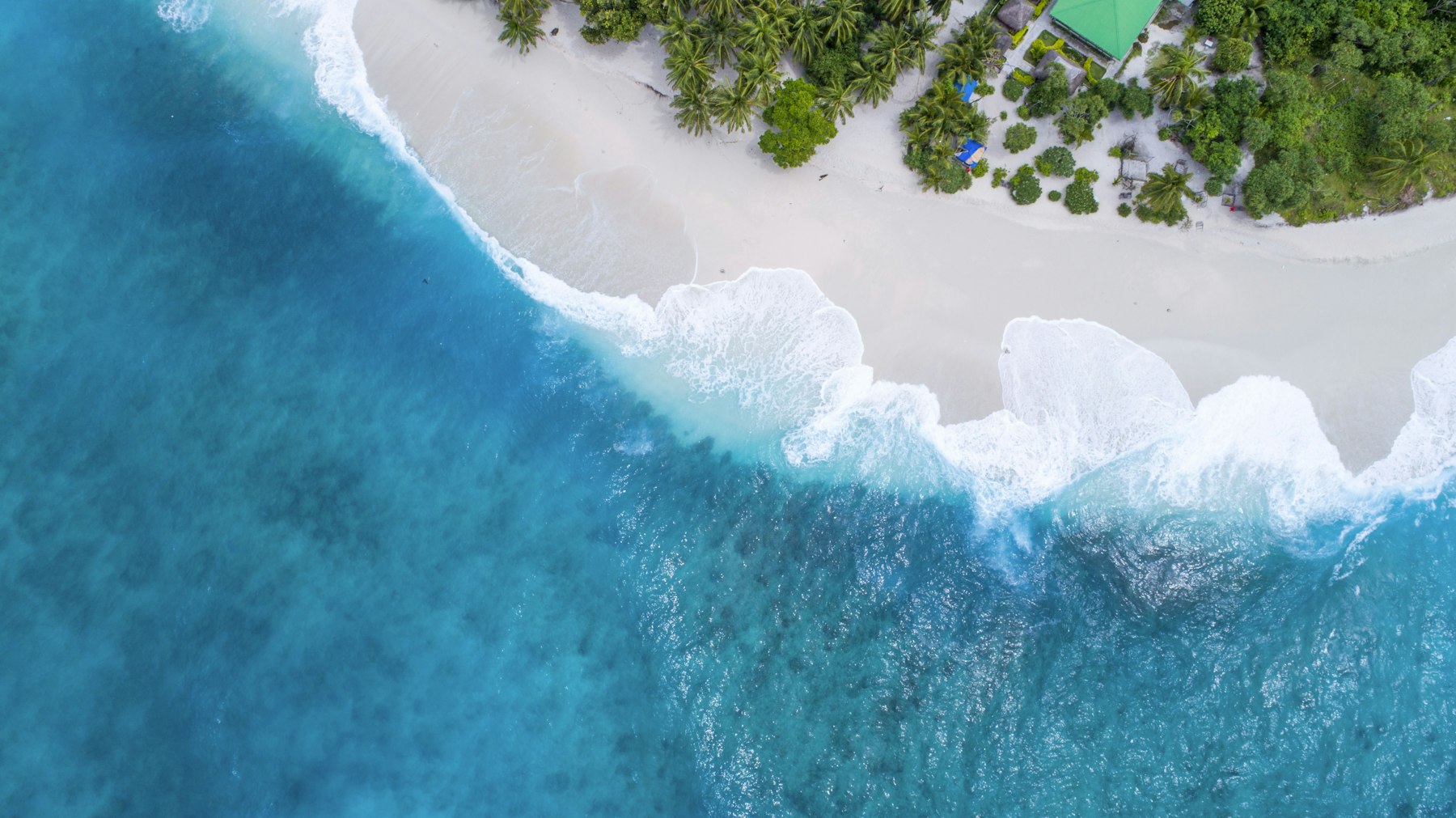
Studland is the United Kingdom’s flagship naturist beach — three miles of sand and dunes along the Dorset coast, managed by the National Trust, and the first beach in the country to be officially designated naturist by an institutional landowner. That happened in 1976. Fifty years later, Studland is still doing what it always did: a wide, sandy, family-tolerant, mostly-elderly-regulars British beach with a signposted naturist section halfway along its length where about a thousand metres of shoreline operates under a different convention than the rest.
This guide is the orientation for the visitor coming to Studland for the first time — what to expect, how to find the naturist section, how the social culture works, and what makes the British version of clothing-optional beaches feel different from the Mediterranean or Pacific equivalents.
What Studland Is
Studland Bay sits at the eastern tip of the Isle of Purbeck in Dorset, a short ferry ride south of Bournemouth and Sandbanks. The bay opens onto the English Channel and is sheltered to the south by Old Harry Rocks (the famous chalk stacks visible from the beach). The beach itself runs roughly three miles north to south, divided informally into four named sections:
Shell Bay at the northernmost end — adjacent to the Sandbanks Chain Ferry that connects Studland to the Poole/Bournemouth side. Quieter, more dunes, fewer families.
Knoll Beach is the central section — the main National Trust car park and visitor centre is here, the bulk of textile (clothed) beachgoers settle here, and the National Trust café is the everyday social hub. The naturist section starts at the north end of Knoll Beach and runs north into Shell Bay.
Middle Beach sits south of Knoll Beach with its own small car park and access path.
South Beach is the southernmost section, closest to Old Harry Rocks and the village of Studland itself.
The naturist section is signposted by the National Trust at both ends, and runs roughly a kilometre along the northern stretch of the beach (Knoll → Shell Bay direction). The dunes immediately behind the naturist area provide shelter from wind and a degree of visual privacy from the textile sections. The National Trust publishes a clear “Naturism at Studland” guide on their website that explains the convention and the boundaries.
The 1976 Designation and What It Means
The National Trust formally designated the Studland naturist section in 1976 — making Studland the first beach in the UK to have institutional clothing-optional recognition. Before that, naturist use was an informal local convention; after, it was on the map for British naturists nationally.
What this looks like in practice in 2026: the convention is well-established, the signage is clear, enforcement is minimal as long as you stay within the designated area, and the National Trust treats Studland’s naturist section as one of the property’s permanent and accepted features rather than as a problem to manage. Their public-facing language is straightforward — naturism is “welcomed” on the designated section, family-friendly principles apply, and respectful behavior toward other visitors is the social norm. The contrast with the gray-area “tolerated” status of most British beaches is meaningful.
UK national legal context: nudity itself isn’t illegal in England and Wales (with caveats about specific intent). Studland’s designation puts it in the small group of beaches where the institutional landowner has explicitly welcomed the practice rather than just declining to interfere. Brighton’s clothing-optional beach (Britain’s first municipally-designated C/O beach, 1980) is the only other British beach with comparably formal status.
The British Beach Atmosphere
Studland feels different from Mediterranean or Pacific clothing-optional beaches in ways that are worth describing because they’re hard to anticipate.
It’s a textile-beach-with-a-section, not a destination beach in itself. Most of Studland’s visitors are families and walkers using the National Trust property for general beach reasons. The naturist section is one specific stretch within a broader public beach, not a separate destination. The atmosphere is mixed-use Britain rather than dedicated naturism.
The crowd is older. UK naturist culture skews considerably older than the Continental equivalent. The regulars at Studland are often retirees, couples in their fifties and sixties, and the demographic that has been involved in British naturism since the 1970s and 1980s. Younger visitors and curious first-timers are present but in smaller numbers.
It’s quiet by Mediterranean standards. Even on a busy summer day, Studland’s naturist section is dispersed enough that you’re rarely closer than thirty metres to the nearest group. There’s no concession stand on the naturist stretch; no drum circles; no daytime social scene beyond people reading and swimming. The volume is low.
The weather doesn’t cooperate. This is a UK beach. Summer beach days run mid-June through early September with reasonable likelihood; outside that window the beach is mostly empty regardless of nudity convention. Wind and intermittent cloud are normal. Air temperature in peak summer typically maxes around 22-26°C; water temperature 15-18°C even in August. British naturists are hardier than their Mediterranean cousins as a structural necessity.
Photography is a hard-line concern. No photographs of other visitors. The National Trust’s published guidelines reinforce this and the social enforcement among regulars is robust.
Getting There
The traditional approach is from the north via the Sandbanks Chain Ferry — a small car ferry that crosses the entrance to Poole Harbour between Sandbanks (the wealthy peninsula on the Poole/Bournemouth side) and Shell Bay (the northernmost end of Studland). The ferry runs continuously, takes about four minutes, costs a few pounds for a car. From the Shell Bay landing, the naturist section is a short walk south along the beach — actually closer to the chain ferry than to the main Knoll Beach car park.
The alternative is the southern approach by car via Studland village. The National Trust’s main car park at Knoll Beach is the largest and most-used. The walk from Knoll Beach to the naturist section is about ten minutes along the sand.
Cyclists and walkers use the South West Coast Path, which runs the length of Studland Bay. The path approach is genuinely scenic and recommended for visitors with the time and inclination.
National Trust membership matters: paid parking at Knoll Beach is free for NT members. Non-members pay a daily fee. If you’re touring Britain and visiting other NT properties, the annual membership pays for itself quickly.
What to Bring
The British beach packing list is different from the Mediterranean one:
- Wind shelter. The dunes provide some, but a windbreak or beach tent makes a real difference on a breezy day.
- Layers. Air temperature swings significantly with cloud cover and wind. Pack a sweater for the walk back.
- Sun protection. UK sun is intense in midsummer when it appears; the assumption that British sun is weak is the source of every British visitor’s first sunburn.
- Water and snacks. The National Trust café at Knoll Beach is good but it’s a ten-minute walk from the naturist section and it’s the only food source in the area. Pack for the day.
- Towels. Multiple. The water is cold and you’ll dry slowly.
- A book. Studland is a reading beach.
Who Visits
Studland’s crowd composition:
- British naturist regulars — couples and solo visitors who have been coming for years or decades. The core demographic.
- National Trust members — visitors who came to Studland for the broader nature-reserve experience and discovered the naturist section.
- Curious first-timers — Britons who have heard about Studland for years and finally come to try it.
- International visitors — small but present, primarily German and Dutch tourists who include Studland on a UK trip.
- LGBTQ+ community — Studland has a long-standing welcoming reputation; the southern end of the naturist section traditionally draws a queer crowd.
Age range: skews 40+, with strong representation in the 50-70 bracket. Younger visitors are present but unusual.
The Broader Studland Property
The naturist beach is one element of a much larger National Trust property — the Studland and Godlingston Heath National Nature Reserve. Worth noting because the broader property is genuinely lovely and a Studland day can include:
- The South West Coast Path with views across to Old Harry Rocks
- Studland Heath — heathland habitat home to all six native UK reptile species
- The village of Studland with its small Norman-era church and pubs
- The Old Harry Rocks chalk stacks at the southern headland (a 30-40 minute walk from South Beach)
- The Sandbanks side via the chain ferry, with restaurants and the option of a Bournemouth day
Treating Studland as a half-day destination misses most of what’s there.
Where to Stay
The naturist section is a day beach, not an overnight destination — there are no naturist resorts or campsites directly at Studland. For a multi-day Studland trip, the options are:
Studland village itself has small B&Bs and rental cottages. The Bankes Arms is the village pub-with-rooms. Stay here for proximity to the beach and the broader National Trust property.
Swanage (15 minutes’ drive south) is the nearest small town with hotels, restaurants, and Victorian-resort character. Better-equipped for a longer Dorset stay.
Bournemouth/Sandbanks (chain ferry away) is the larger urban option with the full hotel range.
Studland Summer Camp — the British Naturism-affiliated naturist summer camp that operates seasonally in the broader Studland area. A different kind of stay — community-oriented, naturist throughout, with its own social rhythm.
Other UK Naturist Beaches Worth Knowing
For visitors planning a broader UK naturist itinerary:
- Brighton Naturist Beach — Britain’s first municipally-designated C/O beach (1980), east of Brighton Marina.
- Eastney Naturist Beach — Portsmouth area, smaller community.
- Holkham Beach (not in our directory yet) — Norfolk’s massive National Trust beach with a long-standing informal naturist tradition at the eastern end.
- Budleigh Salterton Naturist Beach — quieter Devon coast option.
The canonical UK source on these and other naturist beaches is British Naturism (BN) at bn.org.uk — their members-area beach directory is the most current.
Featured Locations
- Studland Naturist Beach — the National Trust naturist section
- Studland Summer Camp (Naturist) — seasonal naturist camp in the broader Studland area
Related Guides
- Cap d’Agde Naturist Village: The Complete Visitor Guide — the much larger French destination.
- Vera Playa: Spain’s Purpose-Built Naturist Town — the Spanish flagship.
- Wreck Beach Vancouver: The Complete Visitor Guide — North America’s largest equivalent.