Community · 10 min read
How to Find Local Clothing-Optional Hiking Groups
Naturist hiking groups exist in most US regions and several Canadian provinces. Here's how to find one near you, what to expect, and how to join your first hike.
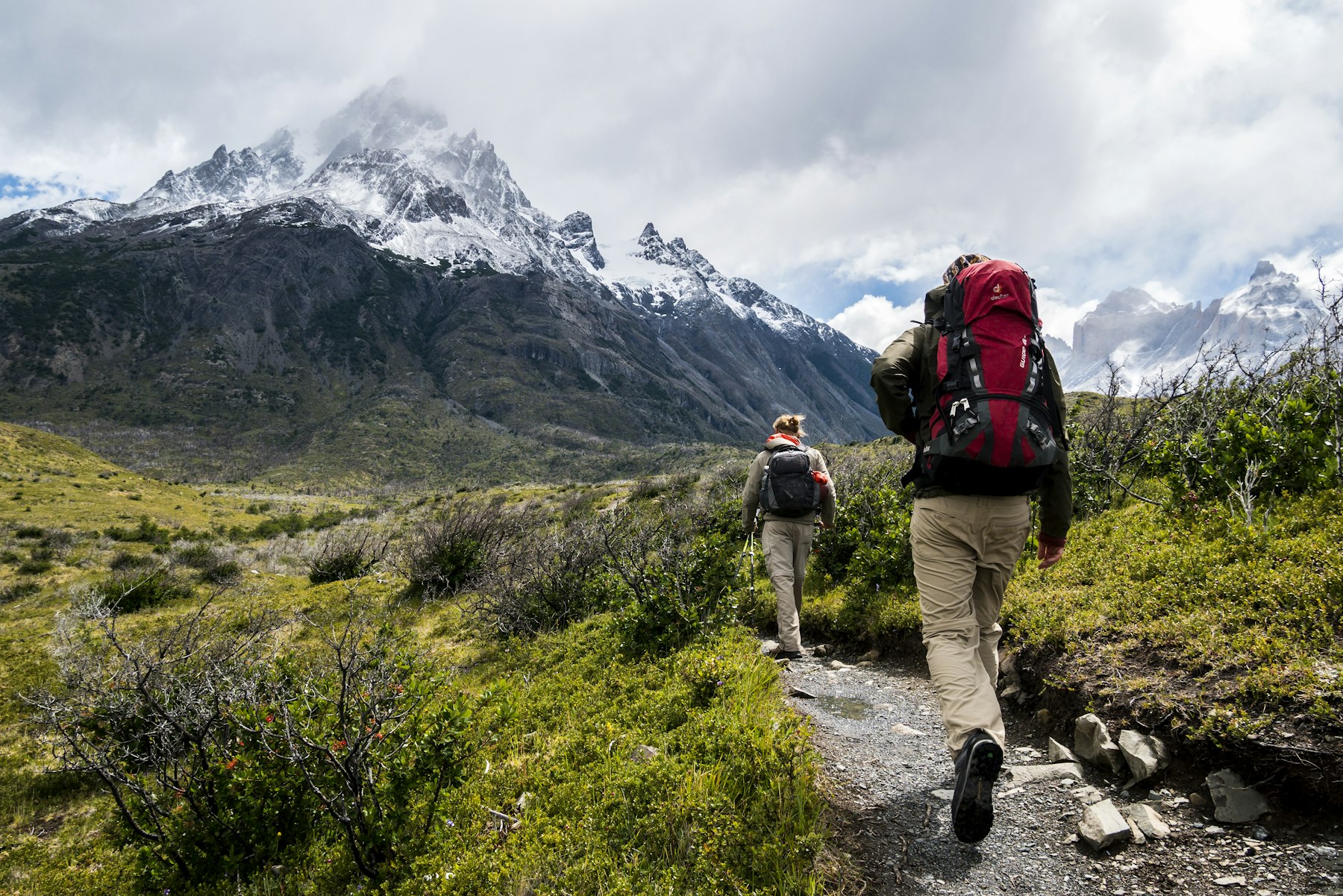
Nude hiking sits in a quieter corner of the clothing-optional world. The beach communities are large and visible, the resorts are commercial and findable, but the hiking groups operate as small, mostly-volunteer travel clubs — non-landed naturist organizations that coordinate monthly hikes, rent venues for socials, and welcome new members through application and trial events. They’re a great way into the community for people who want movement, nature, and conversation more than a beach day. This is how to find one, what to expect, and what to do on your first hike.
What a Naturist Hiking Group Actually Looks Like
Most naturist hiking groups in North America are non-landed travel clubs. They don’t own property. They organize hikes — typically on public lands far enough from main trails to allow nude recreation — and they communicate through member email lists, private Facebook groups, or websites. Membership is usually inexpensive ($20-$50 annually) and gets you onto the announcement list for scheduled hikes and social events.
These groups overlap heavily with the broader naturist organizations you’ll find in our directory. Wandering Bare Nudist Group in Oregon, Wasatch Naturists in Utah, Roadrunner Naturists in New Mexico, and Triangle Area Naturists in North Carolina all run regular nude hiking events as part of their broader calendar. They aren’t hiking-exclusive — they also do potlucks, club socials, and beach trips — but hiking is a significant share of what they do.
Some groups are more hiking-focused than others. The Pacific Northwest has particularly active backcountry communities because the geography supports it: long forest trails, hot springs as destination points, and a culture that already accepts nudity in nature. Groups in the Southwest tend to mix hiking with hot spring soaks and rock formation visits. East Coast and Midwest groups often combine hikes with property visits at member-owned resorts.
How to Find a Group Near You
Several paths get you to the right group. The most reliable, in our experience, is to start with the regional naturist organization. Search for “naturists [your state]” or “naturists [your metro area]” — most groups have at least a basic website or a Facebook page. Our directory’s groups category (filter by type: group) lists the non-landed organizations we’ve cataloged.
A second path: the American Association for Nude Recreation (AANR) maintains a member directory. AANR-affiliated travel clubs often run nude hikes, even if it’s not in their name. Sunchasers Travel Club in Massachusetts, Northcoast Naturists, and Tallahassee Naturally are examples of the AANR travel-club model.
A third path: member-owned resorts often partner with regional hiking groups or host hike-day events on their property. Lupin Lodge Naturist Resort has 110 acres of trails and runs regular nude hikes for guests. Lake O’ The Woods Club and Whispering Oaks similarly combine private property hiking with member events.
The least reliable path is searching social media generally. Public Facebook groups for nude hiking tend to be either tiny and inactive or aggressive about gatekeeping. Better to go through an established organization and join via their normal membership process.
What to Expect on a First Hike
A first nude hike with a group typically starts in a parking lot near a trailhead. Everyone arrives clothed. There’s a short introduction — names, hike difficulty, expected length, what to do if you have trouble keeping up. The leader will tell you where on the trail you’ll undress (usually somewhere away from the trailhead, past any likely encounters with other hikers).
You hike clothed to that point. Then everyone undresses, often using a backpack or stuff sack to hold clothes. The hike continues. Most groups don’t enforce nudity — if you want to stay partially or fully clothed, that’s fine. The point is the option, not the requirement.
Hikes vary widely in difficulty. Some groups specialize in flat forest loops three to five miles long. Others tackle serious mountain trails with elevation and overnight options. Read the description for any specific event carefully. The category labels (easy, moderate, strenuous) generally match what they say.
At rest stops, the group sits together, has water and snacks, and chats. The social side of nude hiking is part of the point. People come for the hike but stay for the conversation. After a few hikes you’ll know most of the regulars.
When the hike approaches civilization again — usually 10-15 minutes before the trailhead — the group stops and dresses. The transition out is the mirror image of the way in.
What to Pack for a Nude Hike
The packing list is mostly the same as any backcountry hike, with a few additions and one omission.
Standard hiking kit:
- Backpack with room for food, water, and clothes
- Hiking boots or trail runners with real ankle support
- Water (1-2 liters depending on length)
- Sun protection (sunscreen, hat, sunglasses)
- A trail map or a phone with offline maps loaded
- First aid kit, including blister treatment
Nude-specific additions:
- Two small sit pads or a microfiber towel — for rest stops on rocks, logs, or grass
- Hiking socks compatible with whatever you’ll wear at the trailhead
- A change of clothes if you’ll get sweaty during the hike-out
- Sunscreen for body areas that don’t usually see direct sun
What you don’t need: a swimsuit, unless the hike includes a hot spring or river soak stop. Some hikes connect to clothing-optional water destinations like Deep Creek Hot Springs, Sykes Hot Springs, or various Oregon backcountry hot springs — for those, you stay nude in the water too.
Hiking boots are non-negotiable. Trail injuries are the main risk of nude hiking, and they aren’t more graceful when you’re not wearing pants. Real footwear matters.
The Cultural Norms Specific to Group Hikes
Nude hiking groups have their own culture that differs from beach and resort culture in a few ways.
You hike in a group. Even on long, well-marked trails, groups stay together — at least at the front and back, with people checking on each other. Solo speed-hiking is generally not the vibe. If you want to push pace, do it on your own time.
Cameras are off, with a single exception. Just like beaches and resorts, no photos of other hikers. The exception some groups make is a designated “group photo” moment, usually after everyone has dressed at the end of the hike, where consent is explicit and the photo is opt-in.
Trail etiquette is strict. When you encounter other hikers (which happens occasionally even on remote trails), the group’s standard response is to step off the trail, pull cover-ups out of bags, and let the other party pass without incident. Then you re-undress and continue. The goal is not to create incidents that get a trail closed to the community.
Snake safety, weather, and basic backcountry awareness matter more than usual. Without pants, you’re more aware of brush, ticks, poison oak, and rocky ground. Stay on trail. Watch where you sit. Bring a small first-aid kit.
Conversation is part of the hike. Most regulars know each other and welcome questions from new members. Asking about local naturist culture, other nearby trails, or recommended events is a good way to learn the community. Asking about other members’ personal lives or making it explicitly social is generally not.
Trial Visits and Membership
Most groups require a trial visit or a sponsored introduction before formal membership. This is partly safety screening and partly culture-fit. The process is usually:
- Email or contact form to the group expressing interest
- Brief phone or email conversation with a member liaison
- Trial visit on a scheduled event, sometimes free, sometimes with a one-time fee
- After the trial, if both sides are interested, formal membership
The screening exists because non-landed groups have to work harder to maintain safety than landed clubs. They don’t control the venue. They depend on members to behave appropriately on public lands. The vetting step keeps the community functional.
For first contact: a short, sincere email explaining who you are, why you’re interested, and your level of experience usually gets a friendly response. Groups appreciate genuine interest. Avoid sending a list of demands or expectations.
Costs are usually modest. Annual dues at $25-$75 are typical. Some groups charge per-event fees of $5-$15 to cover venue rentals or organizational costs. None of this should run more than a few hundred dollars per year, even with active participation.
Solo Hikers and Going Alone
You can hike nude solo on appropriate public lands, but the situation is more complicated. Three considerations:
Legality. Public nudity laws vary by state and by specific land jurisdiction. Some federal lands tolerate it; some don’t. Some state forests are permissive; others have explicit prohibitions. Our legal-status guide covers the broad shape of US law, but for solo hiking you need to verify the specific area’s rules.
Safety. Solo hiking has the usual risks; nude solo hiking adds the risk of an awkward or hostile encounter. Groups offer some social cover. Alone, you’re on your own.
Encounter management. Without a group, you have no system for handling other hikers. The standard solo approach is to carry cover-ups within arm’s reach and dress when you hear approaching footsteps. Some areas (forest service trails) have low traffic and this works well; others (national park trails) have too much traffic to make solo nude hiking practical.
For most people, group hikes are the better entry point. You learn the local culture, you learn which trails work, and you build relationships that make solo hiking less risky later.
Hot Springs and Hiking Combined
A specific category of clothing-optional hiking is the hot-spring hike. Many famous naturist hot springs require a real walk in — sometimes a short stroll, sometimes a serious backcountry effort. Examples in our directory:
- Conundrum Hot Springs (Colorado) — an 8.5-mile backcountry hike each way, with overnight permits required.
- Goldbug Hot Springs (Idaho) — a moderate uphill hike to a series of soaking pools.
- Bagby Hot Springs (Oregon) — a 1.5-mile walk through Mt. Hood National Forest.
- Umpqua Hot Springs (Oregon) — short uphill hike to terraced pools.
- Terwilliger Hot Springs (Oregon) — short forest hike to pool tiers.
These work well as a first nude hiking experience if a group hike isn’t immediately available. The hike-in/soak/hike-out structure gives you natural transition points and a clear destination.
FAQ
Are there gay-specific or women-specific nude hiking groups? Yes, in several major metropolitan areas. LGBTQIA+ naturist organizations like Black Naturists Association and other identity-based groups run hikes specifically for their members. Women-only nude hiking groups exist in larger metro areas. Search for specific identity + “naturist” or “nude hiking” in your region.
Do I have to be in great shape? No. Most groups offer a range of hikes from easy half-day strolls to longer backcountry trips. Pick the difficulty that matches your fitness. Group leaders usually have a sense of who’s signed up and adjust pace accordingly.
What about ticks, poison oak, and other plant hazards? Stay on trail. Don’t sit on bare ground without a sit pad. Do a tick check at the end of every hike. Wear bug spray if you’re in a tick zone. Familiarize yourself with poison ivy/oak/sumac for your region. The risks aren’t categorically different from clothed hiking, but the consequences land on more skin.
Can I bring a friend who’s curious but not committed? Most groups welcome this with advance notice. Email the group organizer and explain your friend’s situation. They’ll usually say yes for a trial event. Some groups have a “guest of a member” policy that handles exactly this case.
Is this the same as the Naked Hiking Day events I’ve heard about? “Naked Hiking Day” (informally June 21 — the summer solstice) is a one-off event some hikers do on public lands without a formal group affiliation. It’s a tradition more than an organization. Group hiking communities exist year-round and are more sustainable than annual events.
How visible am I going to be? Less than you think. Group leaders pick trails specifically because they’re remote, lightly trafficked, and easy to retreat from when other hikers approach. Encounters with strangers happen, but they’re brief and handled smoothly.
Related Guides
- Your First Time at a Clothing-Optional Beach: What to Expect — for people more comfortable starting with a beach day.
- Nudism vs Naturism vs Clothing-Optional — the vocabulary you’ll hear in hiking communities.
- Clothing-Optional Hot Springs in the American West — for hot-spring-and-hike combinations.
Featured Locations
Travel clubs and hiking-oriented destinations:
- Wandering Bare Nudist Group — Oregon-based hiking-focused naturist group.
- Triangle Area Naturists — Research Triangle hiking and social events.
- Roadrunner Naturists — New Mexico hikes and gatherings.
- Wasatch Naturists — Utah hiking and outdoor events.
- Lupin Lodge Naturist Resort — 110 acres of private trails near Los Gatos.
- Sykes Hot Springs (California) — Ventana Wilderness backcountry hike-in destination.
- Conundrum Hot Springs — Colorado backcountry overnight hike to natural pools.