Beginner · 11 min read
What to Pack for a Nude Beach: A Complete Checklist
The practical packing list that experienced nude beachgoers actually use — what to bring, what to leave at home, and the items that will save your day.
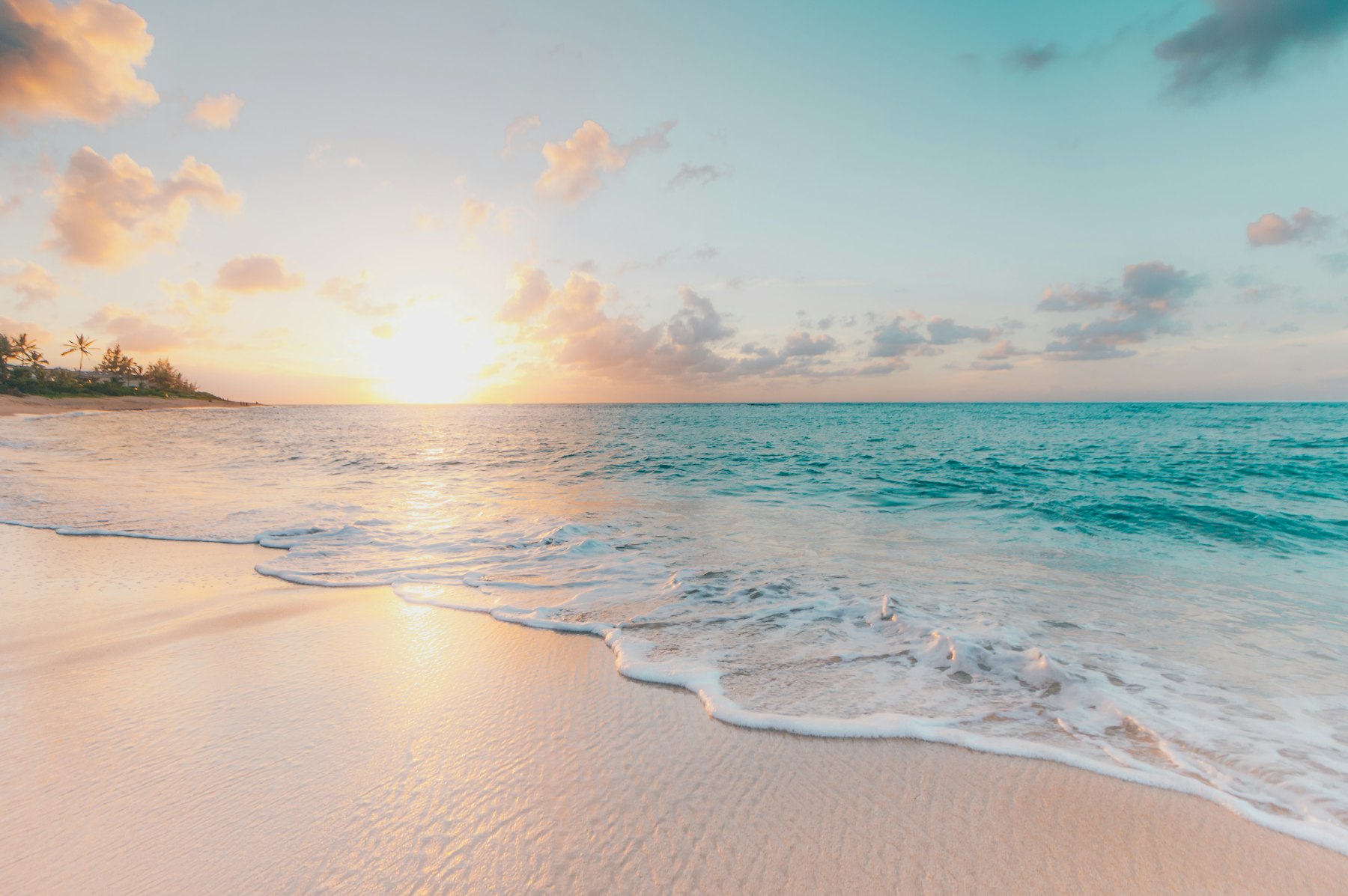
The hardest part of a nude beach day isn’t being nude. It’s realizing two miles down a hot trail that you forgot a towel, or that you’ve sunburned a part of your body you’ve never burned before. A clothing-optional beach removes one layer of stuff, and adds a few specific items that regular beachgoers don’t think about. This is the practical list — what to bring, what to skip, and the small items first-timers consistently forget.
The Towel Is the Most Important Thing You’ll Bring
Everywhere you sit on a nude beach, you sit on a towel. That’s not a comfort preference — it’s the single universal etiquette rule across every clothing-optional space, from public beaches like Haulover and Hippie Hollow to private resorts. Skin meets towel meets surface, not skin meets surface directly.
This means you want a towel that’s bigger than what you’d bring to a textile beach. A standard 30x60 inch beach towel works, but a sand-resistant or oversized 40x70 is better. If you plan to walk down to the water and back, you’ll appreciate the extra footprint when you sit back down on sand that’s now caked to your wet skin.
Bring two towels if you can. One to lie on, one to dry off. At places with limestone ledges like Hippie Hollow or rocky access points, a second towel doubles as a barrier between you and rough surfaces. Lightweight microfiber towels pack small and are worth the closet space.
A small hand towel rounds out the kit. You’ll use it to wipe sand off before applying sunscreen, or to dab dry after a quick dip when you don’t want to redeploy your main towel.
Sun Protection: Where People Get It Wrong
You will sunburn parts of your body that have never seen direct sun. This is true even if you’re someone who tans easily. Sensitive zones — the tops of your feet, your shoulder blades, the backs of your knees, areas usually covered by a swimsuit — burn faster because they haven’t built up any tolerance.
Pack mineral sunscreen (zinc or titanium oxide) at SPF 30 or higher. Spray sunscreens are convenient for reach but apply unevenly; a lotion gives you better coverage on the parts you actually need protected. A reef-safe formula matters at beaches near coral or sensitive marine environments, including Kauapea Beach in Hawaii.
Apply 15 minutes before you arrive, then reapply every two hours and every time you get out of the water. Most sunburns on nude beaches come from people forgetting reapplication, not from forgetting the first application. Set a timer on your phone if you’re prone to losing track.
For shade, an umbrella beats a hat — but bring both. A small beach umbrella with a sand anchor handles wind better than the cheap pop-up tents that flip in any gust. A wide-brim hat protects your scalp and face during the long stretches when you don’t want to crouch under the umbrella.
Don’t forget UV-blocking lip balm. Your lips are skin too, and they burn surprisingly fast on a long day at the beach.
Footwear and the Walk In
Most clothing-optional beaches require some walking — sometimes a lot of walking. Black’s Beach involves a moderate hike down a cliff face from the Torrey Pines Gliderport. Bonny Doon Beach requires a short scramble down a path. Even the easier public beaches like Playalinda often involve a quarter-mile walk from the parking lot.
You need real shoes for the in-and-out. Flip-flops fail on hills and sand. A pair of sport sandals (the kind with heel straps), water shoes, or trail runners covers most situations. Save the flip-flops for the actual sand once you’ve arrived.
At rocky-bottom beaches like Hippie Hollow and many freshwater spots, water shoes aren’t optional — they’re protective gear. Limestone ledges, hidden submerged rocks, and the occasional broken bottle all argue for keeping shoes on in the water. The same applies to most cold-water Oregon beaches like Collins Beach and Rooster Rock.
For the parking-lot-to-sand walk, you don’t need to be undressed yet. Most people walk in clothed, find a spot, and only then start unpacking and undressing. There’s no clock running. If our first-time guide covers the social dynamics, this guide covers the gear that makes the logistics smooth.
Bag, Cash, Phone — and the Photography Rules
A medium-sized waterproof or sand-resistant beach bag handles everything. You want compartments — one for sunscreen and toiletries that won’t leak onto your snacks, one for the towels, one for the phone-and-wallet kit. Mesh sides drain sand. A dry bag inside the main bag, where you stash your phone and ID, is worth the small extra cost.
Bring cash. Many nude beaches charge a parking fee or day-use fee — Hippie Hollow collects at the gate, Haulover at the lot. Some take cards; some don’t. Twenty dollars in mixed bills covers most situations, including the inevitable food-vendor purchase at busy beaches like Playa Guadalmar in Spain, where vendors expect small euro purchases in cash.
Now the phone question. You can bring your phone. You can use it. What you cannot do is photograph other people — even incidentally, even pointed-at-the-ocean-but-with-people-in-frame. This is the second universal rule after the towel rule, and it’s enforced at most managed beaches.
If you need to take a photo (a sunset, your own setup, a wide shot of an empty beach), be obvious about what you’re aiming at. Hold the phone low and aim at the water, not horizontal across the sand. Better yet, leave the phone in the bag and use a dedicated camera moment when you can step away from where people are sitting. Beach ambassadors and lifeguards at busier beaches will approach you if you’re filming, and the conversation is awkward. Don’t put yourself in it.
Water, Food, and Snacks
Hydration is overlooked because nude beach days look like sit-still-and-relax days. They aren’t. Direct sun for several hours, often with intermittent walking, dehydrates you faster than you think. Bring more water than you’d bring to a textile beach — a liter per person, minimum, plus more if you’ll be there past two o’clock.
Insulated bottles keep water cold for hours. Frozen-overnight bottles thaw slowly and act as a cold pack inside your bag for the first few hours.
Food at most clothing-optional beaches is BYOB-style. Some, like Playa Guadalmar, have vendors walking the shore. Some, like Black’s Beach, have nothing once you’re down the cliff. Pack durable snacks: dried fruit, jerky, hard cheese in a small cooler, sandwiches that won’t fall apart. Avoid anything that melts (chocolate) or wilts (most leafy salads) in heat.
A small soft-sided cooler with a few ice packs handles food and extra cold water. It’s bulky but pays off on long days.
What to Wear In and Out
You walk in clothed and walk out clothed. The question is what those clothes are.
For most warm-weather beaches, a loose cover-up — a sarong, a sundress, a button-down over swim shorts — is ideal. It pulls off and on in seconds, doesn’t bind, and packs flat in your bag while you’re on the sand. Avoid anything with complicated fastenings or a tight waistband.
A swim suit underneath is optional. Some people wear one in, take it off at their towel, and put it back on for the walk out. Others go straight from cover-up to fully unclothed at their spot. Either is normal.
For cold-water beaches in the Pacific Northwest — Rooster Rock, Sandy Island, Glass Bar — pack layers. A long sleeve shirt and lightweight pants for the cooler air in early morning and late afternoon, plus a swimsuit if you plan to swim (the Columbia River is bracing). You can wear a robe or a kimono-style cover-up over nothing on the sand itself when the breeze picks up.
Items People Consistently Forget
A few specifics that don’t make most generic packing lists but matter on nude beaches:
- Wet wipes or a small spray bottle. For sand removal, sunscreen-on-hands cleanup before eating, and the various small messes of a beach day.
- A small mirror. For sunscreen application on your own back if you’re alone. A compact mirror or a phone camera works.
- Eye drops. Saltwater, sand, and sun do a number on your eyes by hour three.
- A trash bag. Some beaches have bins, many don’t. You’re packing out whatever you packed in.
- An extra plastic bag. For wet swimwear or a sandy towel at the end of the day.
- Bandages. Sharp rocks, hot sand, and beach grass create the kind of small cuts that get noticed only later.
- A book or e-reader. People-watching is fine for an hour. Past that, you’ll want something to do.
The One-Look Pack List
If you need a single glance before walking out the door:
- Two towels (one large, one regular)
- Mineral sunscreen SPF 30+ and lip balm
- Umbrella and sun hat
- Water shoes or sport sandals
- A change of cover-up (loose, easy on/off)
- Reusable water bottle, ideally two
- Food that survives heat
- Cash + ID in a waterproof pouch
- Phone in a waterproof case or dry bag
- Small first-aid items, wet wipes, trash bag
- A book
That’s the kit. Everything else is location-specific or personal preference.
FAQ
Do I need a special towel for a nude beach? No. A standard beach towel works fine — what matters is that it’s clean and big enough to sit on comfortably. Some people prefer microfiber or sand-resistant fabrics because they pack small and shake out clean. The rule is to bring one, not to bring a specific kind.
Can I bring my phone? Yes, but you can’t photograph other people, even incidentally. Keep the camera pointed at the water, your own setup, or yourself. At busier managed beaches like Haulover and Hippie Hollow, beach ambassadors will approach anyone filming.
What do I wear walking in from the parking lot? Most people walk in clothed — a cover-up, sundress, button-down, or shorts and a t-shirt. You undress at your spot, not in the parking lot. Walking out is the same: clothes back on at your towel, then to the car.
Do I need a swimsuit if it’s a nude beach? Optional. Some people prefer to have one for transitions (walking to the water, going to a restroom, leaving early). Others don’t bother. Both are normal. If you’re brand new, having a swimsuit in the bag is a comfort backstop you can ignore once you’ve settled in.
What about jewelry, watches, and valuables? Leave anything you can’t replace in the car or at home. Sand and saltwater are hard on watches. Jewelry has a way of disappearing on a sandy towel. A locked car at most beaches is safer than your beach bag.
How much money should I bring? Twenty US dollars in mixed bills covers parking, day-use fees, and vendor snacks at almost any North American beach. International beaches like Playa Guadalmar work the same way — local currency in small bills.
Related Guides
- Your First Time at a Clothing-Optional Beach: What to Expect — the social walkthrough that pairs with this packing list.
- Nude Beach Etiquette: The Unwritten Rules — the social rules behind why the towel rule exists, plus everything else you need to know.
- How to Choose Your First Clothing-Optional Resort — for when you’re ready to graduate from a day at the beach to a weekend away.
Featured Locations
Beach destinations that match what’s in this guide:
- Haulover Beach (Florida) — the textbook starter beach with full facilities.
- Hippie Hollow Park (Texas) — Texas’s only legal clothing-optional public park.
- Black’s Beach (California) — the hike-in classic in La Jolla.
- Playalinda Beach (Florida) — the long, wild north end of Canaveral National Seashore.
- Apollo Beach (Florida) — Canaveral’s quieter southern counterpart.
- Kauapea Beach (Hawaii) — Kauai’s north shore Secret Beach.
- Bonny Doon Beach (California) — Santa Cruz county’s north-end C/O spot.
- Collins Beach (Oregon) — Sauvie Island on the Columbia River.
- Playa Guadalmar (Spain) — Málaga’s clothing-optional beach, ten minutes from the airport.
Note: This guide mentions general product categories (sunscreen, water shoes, umbrellas) without specific brand recommendations. ClothingOptional.org doesn’t currently use affiliate links; if that changes in the future, we’ll add a clear disclosure on relevant articles.